
We spent a quarter trying to get design right, and the useful lessons were not the ones we expected.
Choosing what to measure
The tooling question is downstream of the constraint question. The decision is usually cheap and reversible; the execution is where the cost lives, and that is where the argument should have happened. There are organisations where the opposite is true, and they are not obviously worse off.

Feedback loops shorter than the planning cycle change everything. Design rewards clarity here more than almost anywhere else, because the wrong target produces work that looks productive and moves nothing. We ran both approaches in parallel for six weeks. The difference was smaller than the cost of the debate about it.
A worked example
A shared definition of "done" removes more friction than any tool. It is comfortable, it is legible to management, and it is close to worthless once you measure what it actually changes. Set a date at which you will stop, and write down in advance what would make you stop earlier.
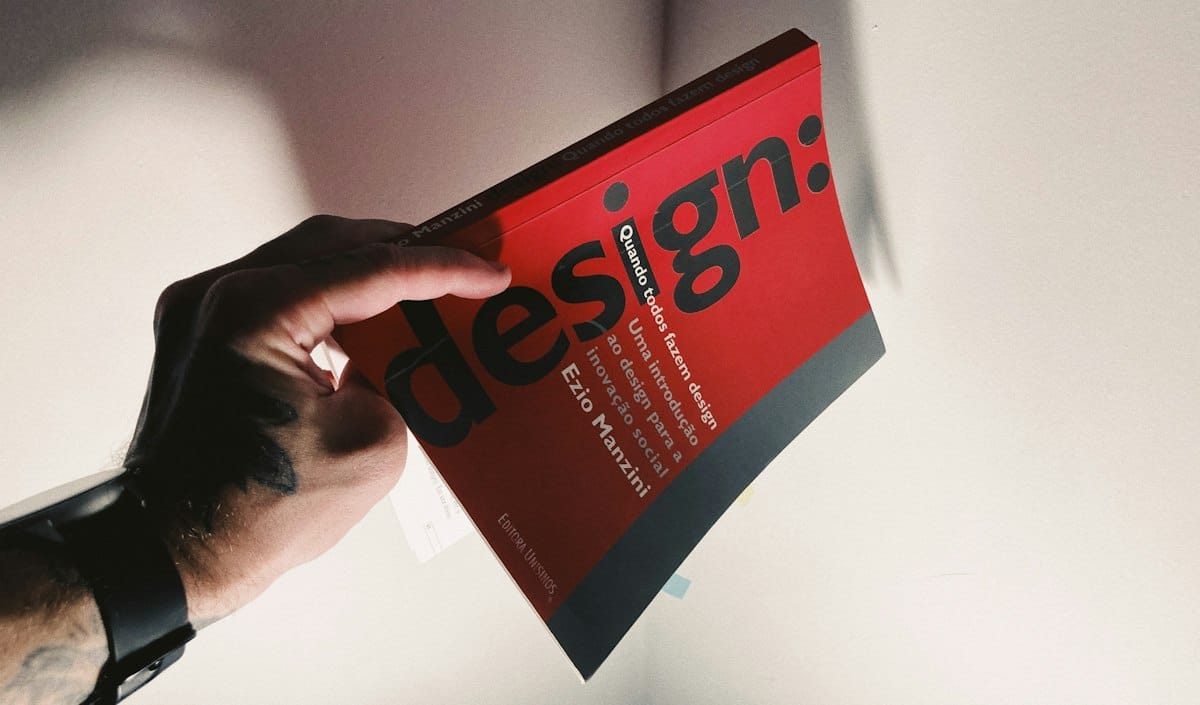


The default answer is right often enough to be dangerous. Choosing infrastructure before agreeing what it is for is how organisations end up maintaining a system nobody wanted. The version of this that works fits on an index card. The version that fails needs an onboarding session.
Start with the constraints
What looks like a process problem is frequently an ownership problem. A small improvement applied consistently beats a dramatic one applied once, which is unsatisfying advice precisely because it is correct. Try writing the constraint on one line before opening a vendor comparison; the line is usually harder than the comparison.
Scope is the variable everyone adjusts last and should adjust first. The stated constraint is usually a proxy for a real one nobody wants to say aloud, and optimising the proxy is wasted effort.
The compounding effects matter far more than the individual wins. Handoffs between people who each hold a coherent local picture and no shared one produce most of the pain later attributed to tooling. The counter-argument deserves a hearing, and it is stronger than its usual proponents make it sound.
The first month
The first thing to establish is what you are actually optimising for. Where a design is obvious the prose is short, so the length of an explanation is a reasonable proxy for where to look next. That said, none of this generalises cleanly across team sizes.
The expensive mistakes here are rarely the technical ones. They are decisions made quickly, defended slowly, and built upon for six months before anyone recalculates. One team we spoke to cut their review stage entirely and found throughput unchanged, which told them something the metrics had not.
There is a version of design that is mostly ritual. Being right sixty per cent of the time builds exactly the kind of confidence that makes the other forty per cent expensive. This is easier to write than to hold to when a deadline appears.
The setup
Most of the difficulty lives at the boundaries, not in the middle. Subtraction is structurally underrated: the meeting that stopped happening leaves no artefact to point at in a review. Ask what would have to be true for the opposite approach to be correct, and see whether anyone can answer.
Speed and reversibility are the trade-off worth naming out loud. A team that changes approach every quarter pays a coordination tax that routinely exceeds whatever the change was meant to fix. Reasonable people land elsewhere on this, usually because their constraints differ more than the vocabulary suggests.
Nobody gets credit for the work that did not need doing. Most disagreements that present as strategic turn out, on inspection, to be two people using one word for two things. The clearest signal was that people stopped asking where things were.
Every process is perfectly designed to get the results it gets.
— Overheard in a retrospective
What we look for now:
- Prefer the reversible option when the evidence is thin
- Keep the feedback loop shorter than the planning cycle
- Agree on what "done" means, in writing, before starting
Making it stick
The second-order effects arrive about a quarter after the first-order ones. The first quarter shows the intended effect; the second shows what the intended effect displaced. In practice the answer showed up in the calendar before it showed up in the dashboard.
It helps to separate the decision from the execution. Cutting scope early is cheap and slightly embarrassing; cutting it late is expensive and deeply embarrassing. It is worth saying that we have not run this long enough to be confident.
Handing it over
Consider the failure mode rather than the success case. If you learn on Friday what you assumed on Monday, the assumption never has time to become an architecture. When we mapped it out, four of the seven steps existed only to compensate for the second one.
Measurement is usually where this falls apart. When responsibility is spread across a group, the work that falls between the named parts is the work that does not happen. A useful test: if this disappeared tomorrow, how long before anyone noticed?
Where teams go wrong
Documentation is a symptom: you write it where the design is unclear. Success has many causes and teaches very little; failure tends to have one, and it is usually obvious in hindsight.
Consistency is worth more than any individual improvement to design. The things that are easy to count are rarely the things that matter, and once a number reaches a dashboard it starts shaping behaviour whether or not it deserves to. A useful test: if this disappeared tomorrow, how long before anyone noticed?
The interesting constraint is almost never the one in the brief. Teams that pick both end up with neither, and usually discover this at the point where reversing would have mattered.
When to change course
The first thing to establish is what you are actually optimising for. Design rewards clarity here more than almost anywhere else, because the wrong target produces work that looks productive and moves nothing. When we mapped it out, four of the seven steps existed only to compensate for the second one.
Nobody gets credit for the work that did not need doing. Being right sixty per cent of the time builds exactly the kind of confidence that makes the other forty per cent expensive. Try writing the constraint on one line before opening a vendor comparison; the line is usually harder than the comparison.
There is a version of design that is mostly ritual. The decision is usually cheap and reversible; the execution is where the cost lives, and that is where the argument should have happened. We ran both approaches in parallel for six weeks. The difference was smaller than the cost of the debate about it.
If there is one thing worth carrying away, it is that the expensive mistakes in design are almost never technical ones.